Frequently Asked Questions
What is celiac disease?
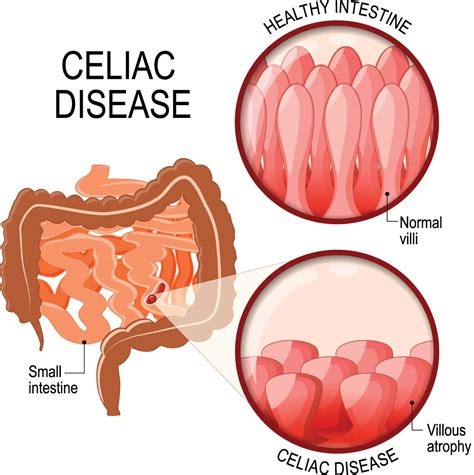
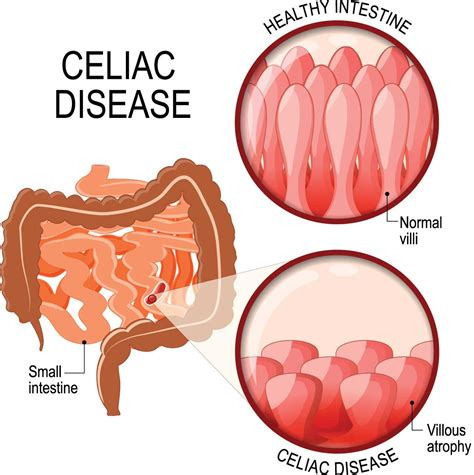
Celiac disease is a serious autoimmune disease that occurs in genetically predisposed people where the ingestion of gluten leads to damage in the small intestine. It is estimated to affect 1 in 100 people worldwide, but only about 30% are properly diagnosed.
When people with celiac disease eat gluten (a protein found in wheat, rye, and barley), their body mounts an immune response that attacks the small intestine. These attacks lead to damage on the villi, small fingerlike projections that line the small intestine, that promote nutrient absorption. When the villi get damaged, nutrients cannot be absorbed properly into the body.
Celiac disease is hereditary, meaning that it runs in families. People with a first-degree relative with celiac disease (parent, child, sibling) have a 1 in 10 risk of developing celiac disease.
Celiac disease can develop at any age after people start consuming gluten. Left untreated, celiac disease can lead to additional serious health problems.
Is there a list of gluten free Ingredients?
We update the list as frequently as we can. If you have any doubts, feel free to contact us.
What is gluten and where is it found?
Gluten is a general name for the proteins found in wheat (wheatberries, durum, emmer, semolina, spelt, farina, farro, graham, KAMUT® khorasan wheat and einkorn, In India, dalia, sooji, wheat flour or gehun ka aata), rye, barley and triticale – a cross between wheat and rye. Gluten helps foods maintain their shape, acting as a glue that holds food together. Gluten can be found in many types of foods, even ones that would not be expected.
You can visit our blog : Is it Gluten Free at https://theceliacsiblings.com/is-it-gluten-free
There are so many different "GF" labels, what do they mean?
In The United States of America, FDA defines gluten-free as less than 20 ppm of gluten.
Self certified Gluten Free:
Brands can put a generic label to self declare that they are gluten free. Always email such brands and ask for reports to confirm they are indeed gluten free. If they do not have reports to share, you can get them tested yourself to be sure before you use them.
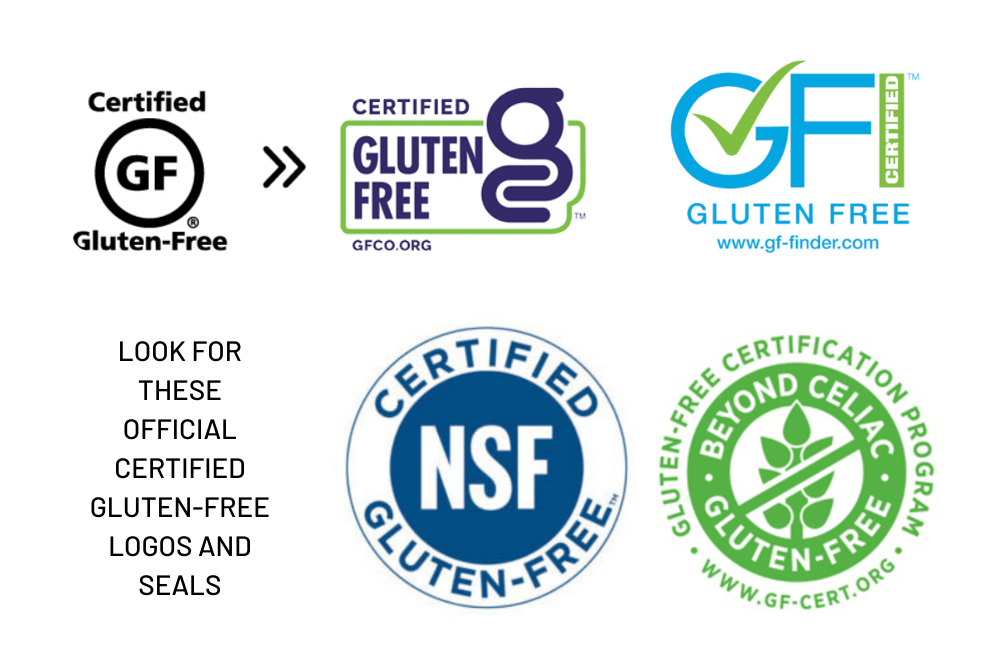
Third-party certified Gluten Free:
Brands can get their product certified from independent third parties to confirm unbiased confirmation on their gluten free status. Such brands will use specific third party certified gluten free labels.
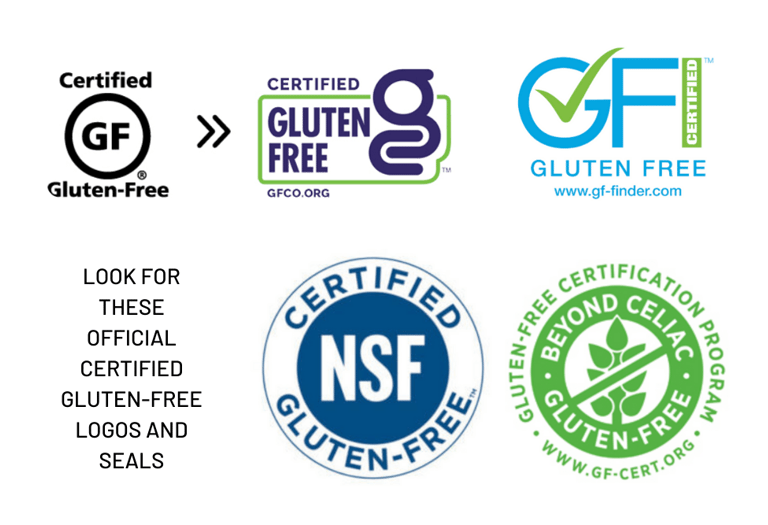
In India, FSSAI does not have strict guidelines on Gluten Free markings on the products. As best practice, do not reply on the packet saying 'Gluten Free' but check the fine print and ingredient list. The products made in a dedicated gluten free facility will clearly mention it. When in doubt, leave it out. Check the ingredient list and compare it based on the blog : Is it Gluten Free at https://theceliacsiblings.com/is-it-gluten-free
Connect
Questions, stories, or feedback? Reach out!
© 2026. All rights reserved.